A bad circuit breaker typically shows 4 to 6 warning signs, including frequent tripping, failure to reset, burning smells, hot touch, visible scorch marks, and flickering lights on the circuit. Knowing how to tell if a circuit breaker is bad can help you avoid electrical fires and costly damage to your home.
This guide covers each warning sign in detail, explains how circuit breakers age and fail, and tells you when to call a licensed electrician. Whether you live in Redondo Beach, Lomita, San Pedro, or anywhere across the South Bay, these signs apply to your home.
Understand How Circuit Breakers Work and Why They Fail
A circuit breaker is a safety switch inside your electrical panel. Its job is to detect overloads and short circuits, then cut power to that circuit automatically. This protects your wiring from overheating and starting a fire.
Over time, the internal components wear out. The bimetal strip that senses heat can lose sensitivity. The contact points corrode. The spring mechanism weakens. Most breakers last 25 to 40 years, but heavy use or repeated tripping can shorten that lifespan significantly.
Homes in coastal cities like Hermosa Beach, Manhattan Beach, and Redondo Beach face additional wear from salt air corrosion inside older panels. This accelerates internal degradation in breakers that may already be aging.
A breaker that fails does not always trip. Sometimes it fails by NOT tripping when it should, which is the most dangerous type of failure. That allows a circuit to carry more current than it safely can, overheating the wires behind your walls.
Spot the Most Common Signs of a Bad Circuit Breaker
Learning how to tell if a circuit breaker is bad starts with recognizing the physical and behavioral signs. Here are the most reliable indicators that a breaker has gone bad.
- Frequent tripping: A breaker that trips more than once or twice a month under normal load is struggling. Occasional tripping is normal, but repeated trips on the same circuit point to a faulty breaker or a wiring problem.
- Won’t reset or stay reset: After a trip, a healthy breaker clicks firmly back into the ON position. If yours feels loose, won’t click, or trips again immediately, the internal mechanism is likely damaged.
- Burning smell from the panel: Any burning odor near your electrical panel is a serious warning sign. It may mean the breaker is overheating or that wiring connected to it is burning. This needs immediate attention.
- Scorch marks or discoloration: Visible black marks, brown staining, or melted plastic on or around a breaker are signs of heat damage. These indicate the breaker has already failed in a dangerous way.
- Breaker feels hot to the touch: Breakers can run slightly warm, but they should not be hot. A breaker that burns your fingers is a sign of excessive heat buildup, which means it is not handling current properly.
- Flickering or dimming lights on one circuit: Inconsistent power delivery from a breaker can cause lights to flicker or dim. This suggests the breaker is making intermittent contact rather than maintaining a clean, steady connection.
- Age over 25 years: If your panel and breakers have not been serviced or replaced in 25 or more years, the breakers are statistically more likely to be degraded even without obvious symptoms.
If you recognize two or more of these signs, treat it seriously. Ziello Electric recommends an inspection rather than waiting for a complete failure.
Compare Normal Breaker Behavior vs. Bad Breaker Behavior
It helps to know what normal looks like so you can identify what is abnormal. The table below lays out the differences clearly.
| Behavior | Healthy Breaker | Bad Breaker |
|---|---|---|
| Tripping frequency | Rarely, only during true overload | Often, even under light loads |
| Reset feel | Firm click, stays in ON position | Loose, spongy, or trips back immediately |
| Temperature | Slightly warm at most | Hot or burning to the touch |
| Smell | No odor | Burning plastic or electrical smell |
| Visual appearance | Clean, no discoloration | Scorch marks, melted plastic, staining |
| Power delivery | Consistent, no flickering | Flickering lights, intermittent outages |
| Age | Under 20 years old | 25 years or older, especially if untested |
Use this table as a quick reference when you are standing in front of your panel trying to decide if something looks or feels wrong.
Know When a Tripped Breaker Is Normal vs. a Sign of Failure
Not every tripped breaker means the breaker itself is bad. A circuit breaker can trip for three reasons: an overloaded circuit, a short circuit, or a ground fault. All of these are situations where the breaker is doing its job correctly.
If you plugged in too many appliances on one circuit and it tripped, that is normal. Unplug some devices, reset the breaker, and move on. If the breaker trips again immediately after you reset it with no added load, that is a different situation entirely.
A breaker that trips repeatedly under the same normal conditions it handled fine before is showing a pattern of failure. The breaker’s internal sensitivity may have shifted, causing it to trip at lower current thresholds than it should.
Homes in Gardena, Hawthorne, and Lawndale with older wiring and original panels from the 1970s or 1980s often see this pattern. The breakers and wiring have both aged together, and what used to be a normal load is now too much for degraded components.
Identify Circuit Breaker Problems by Panel Type and Age
The type and age of your electrical panel plays a big role in how likely your breakers are to fail. Some panels have a documented history of breaker problems that goes beyond normal wear.
| Panel Brand / Type | Known Issues | Recommendation |
|---|---|---|
| Federal Pacific Electric (Stab-Lok) | Breakers may not trip during overloads, fire risk | Replace panel immediately |
| Zinsco / GTE Sylvania | Breakers can fuse to the bus bar, fail to trip | Replace panel immediately |
| Pushmatic panels | Outdated design, breakers degrade over time | Upgrade recommended |
| Eaton / Square D (modern) | Generally reliable, individual breakers can still fail | Inspect and replace bad breakers as needed |
| Siemens / Leviton (modern) | Generally reliable, standard lifespan applies | Regular inspection every 10 years |
Federal Pacific and Zinsco panels are particularly common in South Bay homes built between 1950 and 1990. If you live in San Pedro, Wilmington, Harbor City, or Palos Verdes Estates and have not had your panel inspected, it is worth checking which brand you have.
Ziello Electric has replaced dozens of these outdated panels across the South Bay. The process is straightforward, and it significantly reduces fire risk in your home.
Take the Right Steps After Identifying a Bad Breaker
Once you suspect a breaker has gone bad, here is the correct sequence of steps to take. Do not skip any of these, especially if you smelled burning or saw scorch marks.
- Stop using the circuit immediately. Turn off devices plugged into that circuit and do not reset the breaker until you have investigated further.
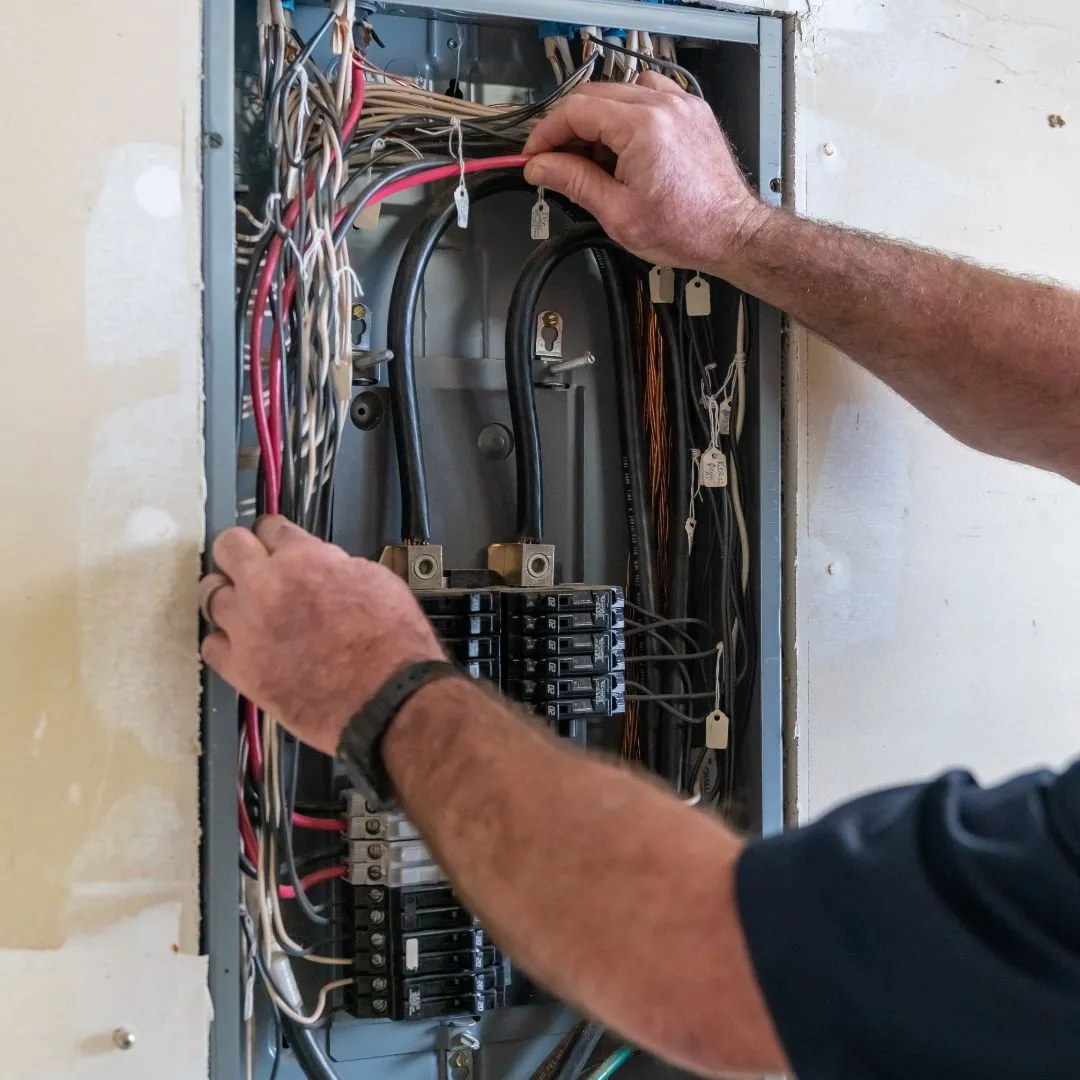
- Check the panel visually. Open the panel door and look for scorch marks, melted plastic, or unusual discoloration around any breaker. Do not touch anything if you see these signs.
- Try a single reset. If there are no visible damage signs, reset the breaker once. If it trips again right away, do not keep resetting it. Repeated resets can overheat damaged components.
- Check the load on the circuit. Make sure you are not overloading a single circuit. Standard 15 amp circuits can handle about 1,440 watts continuously. Standard 20 amp circuits can handle about 1,920 watts.
- Call a licensed electrician. If the breaker keeps tripping, feels hot, smells burned, or shows visible damage, call a professional. Replacing a circuit breaker is not a DIY task if you are not trained and licensed.
Residents in Rolling Hills Estates, Rancho Palos Verdes, and El Segundo often have larger homes with complex panel configurations. Getting a professional inspection gives you a full picture of your system, not just the one problem breaker.
FAQs on How to Tell If a Circuit Breaker Is Bad
Can a circuit breaker be bad without tripping?
Yes, and this is the most dangerous type of failure. A breaker that does not trip when it should allows a circuit to overheat, which can start a fire inside your walls. This is common with Federal Pacific and Zinsco panels and is a major reason those panels should be replaced.
How long does it take to replace a bad circuit breaker?
A single breaker replacement typically takes 30 to 60 minutes for a licensed electrician. The cost usually ranges from $150 to $300 depending on the breaker type and panel accessibility. Full panel replacements take longer and cost more, typically $1,500 to $4,000 in the South Bay area.
Is it safe to reset a tripped breaker yourself?
Resetting a tripped breaker once is generally safe as long as you reduce the load on the circuit first. If it trips again immediately or you smell burning, do not keep resetting it. Call a licensed electrician to inspect the breaker and the wiring on that circuit.
Can a bad circuit breaker cause high electricity bills?
A faulty breaker that allows inconsistent current flow can contribute to appliance inefficiency, but it is not a primary cause of high bills. More commonly, a bad breaker causes flickering, outages, or overheating. High electricity bills are more often linked to inefficient appliances, HVAC systems, or wiring issues elsewhere.
How often should a home electrical panel be inspected?
A licensed electrician should inspect your panel every 10 years at minimum. Older homes, homes with Federal Pacific or Zinsco panels, or any home that has added significant electrical loads should be inspected sooner. Ziello Electric offers panel inspections throughout the South Bay region.
What is the difference between a tripped breaker and a bad breaker?
A tripped breaker has simply detected an overload and done its job correctly. It resets easily and holds position once the load is reduced. A bad breaker trips randomly, won’t reset, feels hot, smells burned, or fails to trip when it should. The pattern and the physical condition of the breaker tell you which situation you are dealing with.
Wrap Up and Next Steps
Knowing how to tell if a circuit breaker is bad can protect your home from electrical fires, unexpected outages, and costly repairs. The key signs to watch for are frequent tripping, failure to reset, burning smells, heat, visible damage, and old age in panels with known failure histories.
If you spotted any of these signs in your home across Carson, Gardena, Manhattan Beach, Lomita, or anywhere in the South Bay, do not wait for a complete failure to act. Ziello Electric is a licensed electrical contractor serving the entire South Bay area, and our team can inspect, diagnose, and replace faulty breakers quickly and safely.
Call Ziello Electric today at (310) 776-3680 to schedule an inspection or request a quote. We are ready to help you get your home’s electrical system back to safe, reliable operation.